Social practice
Documenting is the start, not the deliverable.
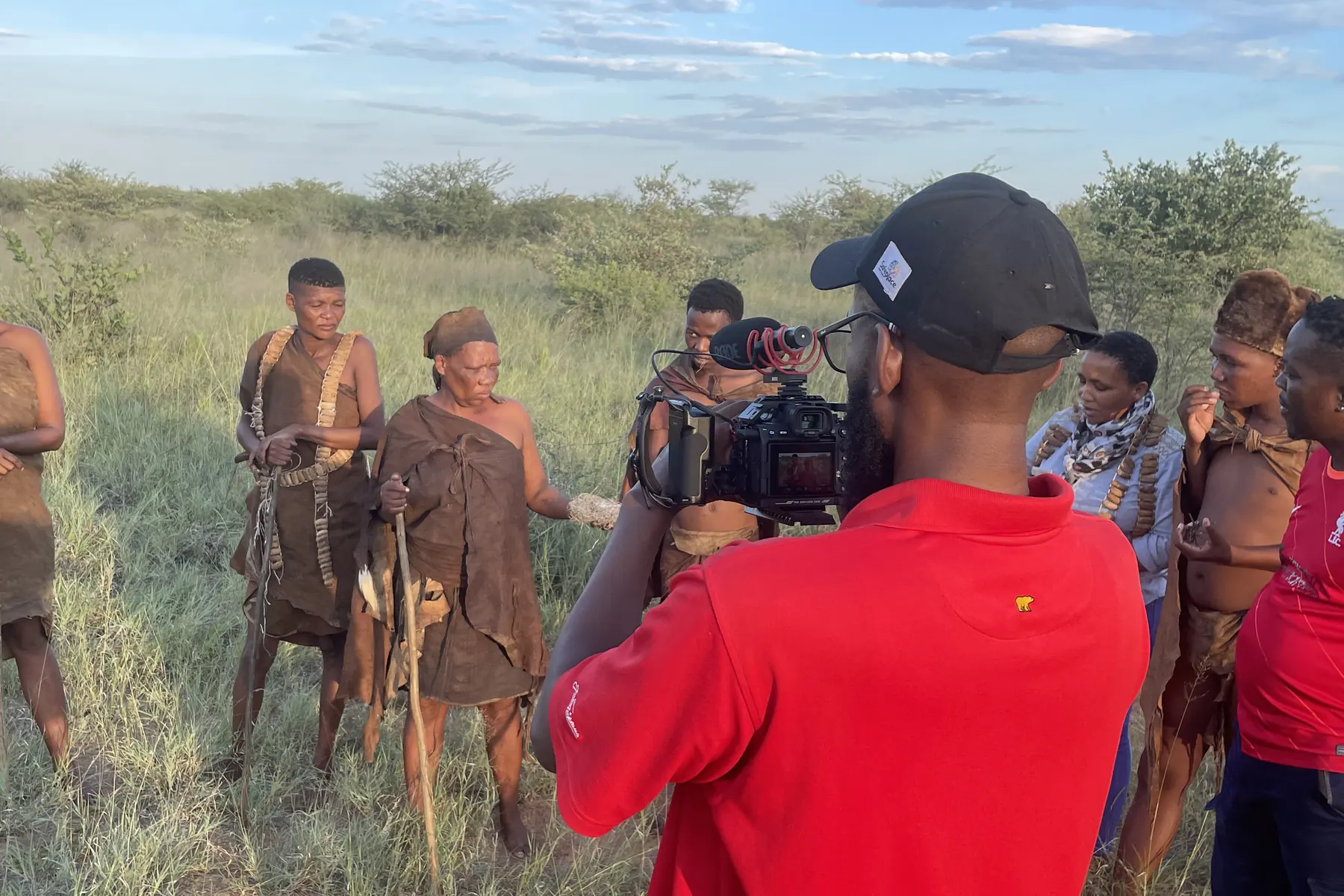
A decade of work with communities whose lived experience is routinely excluded from mainstream media and institutional decision-making. The aim is visibility that outlasts the edit.
Method
Engagement, not observation.
Most documentary about marginalised communities is extractive. A crew arrives, takes what it needs, and leaves a community with a film it cannot access and a story it did not shape.
My practice runs the other way. It is rooted in field immersion, trust-building and long-term relationships, on the understanding that storytelling only counts when it converts into visibility, dignity and attention from the institutions that hold power over people's lives.
In practical terms that means returning before filming. Negotiating consent as an ongoing conversation rather than a signature. Showing cuts back to the people in them. And staying in contact once the commission has closed.
Skills transfer
Training young people in under-resourced communities in filmmaking, so capacity stays behind when production leaves.
- Guest lecturer, Each One Teach One Programme, Mitchells Plain, Cape Flats
- Twice-weekly sessions in technique and narrative confidence
- Self-expression and self-discovery through multimedia
NGO partnership
Bodies of work made with advocacy organisations to amplify marginalised voices and educate broader audiences.
- Natural Justice — Khoisan recognition bill
- Just Detention International — Isak's Story
- AIDC — SADC Peoples' Tribunal
- Open Democracy Advice Centre — iKhayalami Housing Project
Public dialogue
Screenings built as conversations, not exhibitions, with the director in the room and the community at the table.
- Six university and public screening programmes
- Academic uptake in anthropology and psychology
- National broadcast reach on GBV prevention
Where the work happens
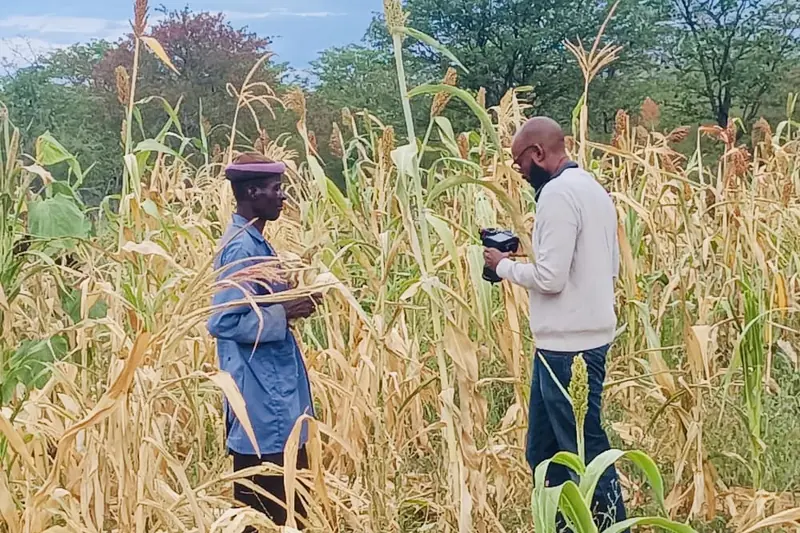
The Cape Flats and the Kalahari.
Two regions, years of sustained relationship in each. Communities affected by inequality, exclusion and systemic neglect, where a single visit produces a postcard and a decade produces the truth.
Both have reinforced the same conviction: storytelling must be connected to action, and media practitioners carry a responsibility to contribute to social transformation beyond the screen.
Themes
The subjects I keep returning to.
Indigenous rights
Recognition, land, language and the machinery of official classification.
Gender-based violence
Survivor testimony, prevention, accountability and the long work of healing.
Spatial justice
Housing, displacement and the policies that decide who lives where.
Youth & capacity
Training, mentorship and building media skills that stay in the community.
My goal is not only to document social issues, but to be part of teams that create visible, tangible impact on the ground.Shatho Tibone
Partnership
Working on something that needs telling properly?
Open to NGO commissions, development-sector partnerships, training programmes and staff roles where storytelling sits alongside measurable social impact.